


The Khasa'is genre of literature revolves around the unique characteristics and distinctive features of the Prophet Muhammad ﷺ.
The term khasa'is is derived from the Arabic language, meaning "unique characteristics" or "distinctive features." This genre of literature aims to celebrate and elevate the status of the Prophet Muhammad ﷺ by emphasizing his exceptional qualities and the special relationship he held with Allah. Khasa’is constitutes a significant part of Islamic scholarly tradition, as it focuses on the life, virtues, and miracles of the Prophet.
The Origins of the Khasa’is Genre
The Khasa'is literature emerged as a distinct genre in the early Islamic period, with scholars and theologians dedicating their works to exploring and narrating the extraordinary aspects of the Prophet's ﷺ life. These works often drew from various sources, including the Quran, Hadith, and historical accounts, to provide a comprehensive understanding of the Prophet's exemplary life ﷺ.

By Habib Umar Bin Hafiz; Translation by Amin Buxton
Courtesy of Manaqib Press; Excerpt taken from Removal of Distress Through the Mention of the Names of the Noble Masters: the People of Badr & the Martyrs of Uhud
In the name of Allah, The Most Compassionate, the Most Merciful
All praise be to Allah, Who originated all things and brought them into existence; Who created and fashioned all things; Who decreed and ordained all things; Who arranged and ordered all things; Who chose to bring forward certain things and to delay others; Who chose to hide certain things and manifest others; Who chose to reveal certain things and conceal others; Who chose to unveil certain things and veil others; Who purifies and cleanses whoever He wishes; Who chooses and selects whoever He wishes; Who clarifies and enlightens; Who guides and facilitates; Who forbids and commands; Who encouraged certain things and cautioned against others; Who warned and gave good tidings on the tongue of His Beloved, the Most Pure, the Chosen One from the tribe of Muḍar.
O beloved!
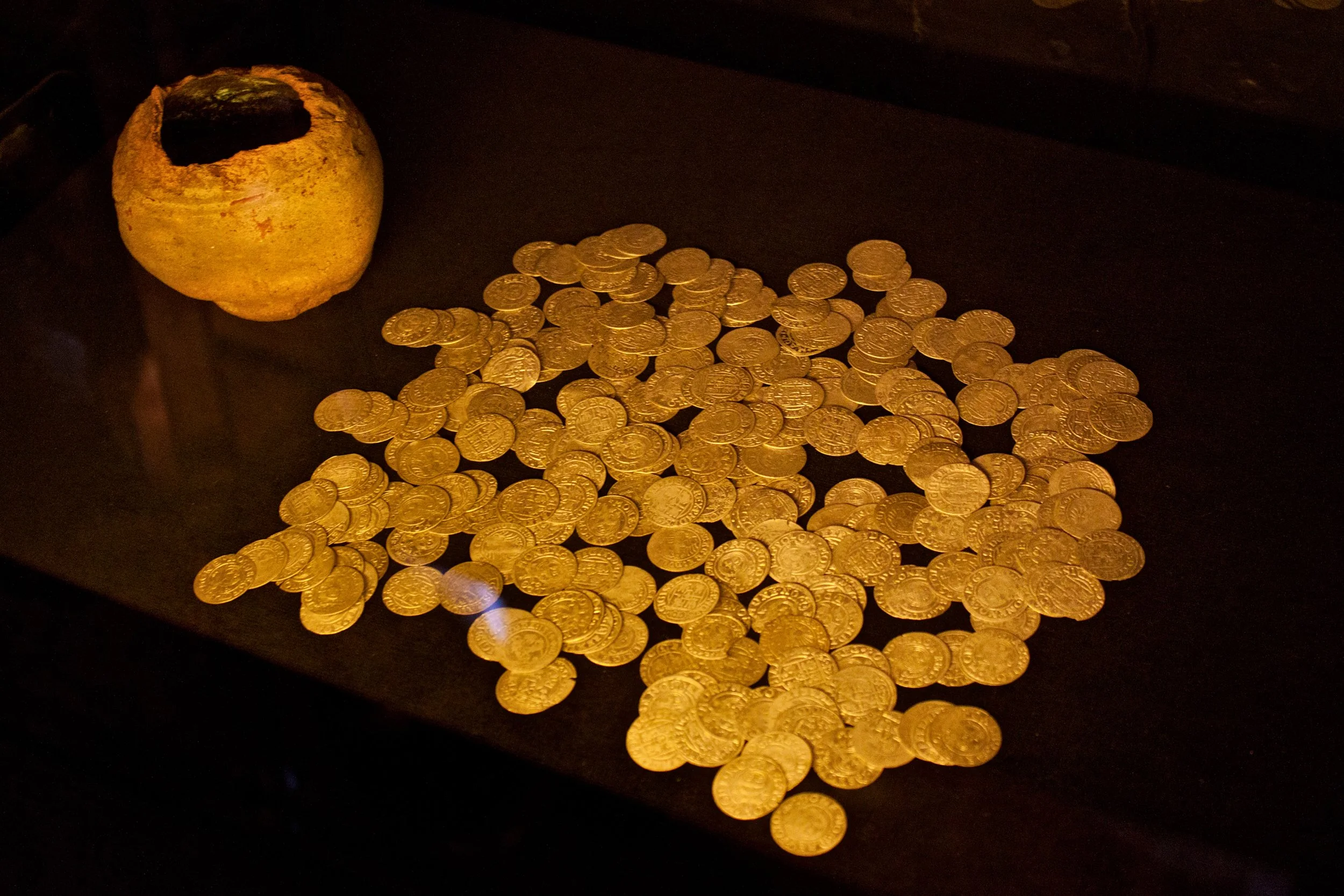
Know that giving zakat comprises one of the religion’s principal pillars, for the Prophet ﷺ said,
‘The foundations of Islam are five principles: the testimony of faith, prayer, zakat, fasting, and pilgrimage.’
Moreover, it is reported that,
‘Those who possess gold and silver, yet refuse to pay zakat, a piercing mark will be placed on their chests. And those who possess cattle, but fail to pay the requisite zakat, on the Day of Judgement, the quadrupeds will set upon and trample them endlessly.’
These reports are mentioned in the Sahihayn, therefore, those who possess wealth are impelled to gain knowledge of zakat for it comprises an obligation.

On the Meaning of Sending Prayers Upon Him ﷺ
Allah (Exalted is He) has said,
“Indeed, Allah and His Angels send prayers upon the Prophet. O you who be- lieve! Send prayers upon him and extend him a worthy salutation”
(al-Aḥzāb, 33:56).
Ibn ‘Abbas said,
“The meaning (of this verse) is that Allah and His Angels bless the Prophet ﷺ.”
It has also been said that it means,
“Indeed, Allah has mercy upon His Prophet ﷺ, and the Angels supplicate for him.”
Al-Mubrid said,
“The root meaning of ṣalāh (prayers) is to show mercy. Thus, (prayers) from Allah are mercy and prayers from the Angels are compassion and seeking for Allah to have mercy (on the person).”

O beloved! Know that fasting is a pillar from the pillars of Islam. The Prophet ﷺ stated, ‘Allah ﷻ says: I grant from ten to seven hundred rewards in return for a good deed. But fasting is Mine, and I grant its recompense.’
And Allah ﷻ said:
إِنَّمَا يُوَفَّى ٱلصَّـٰبِرُونَ أَجْرَهُم بِغَيْرِ حِسَابٍۢ
'"...Only those who endure patiently will be given their reward without limit."'
(al-Zumar, 39:10)
Indeed, the reward of one who exercises patience over appetence shall surpass all limits. The Prophet ﷺ related, ‘Patience comprises one-half of faith, and fasting encompasses one-half of patience.’
O beloved!
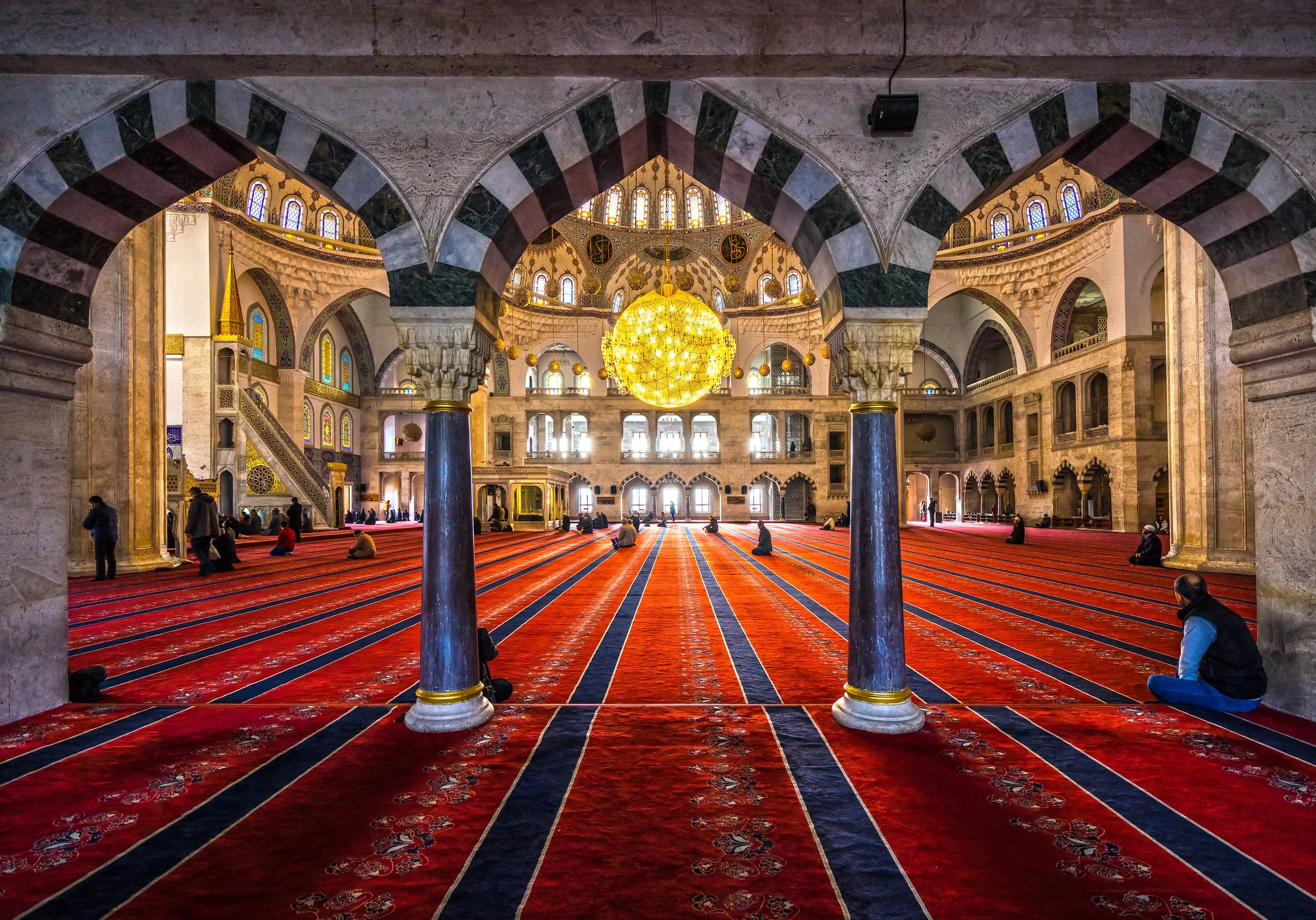
Know that the untainted purpose of worship is to remember the Truth ﷻ, since ritual worship comprises the pillar of religion, and its purpose is divine remembrance.
In the Holy Qur’an, Allah ﷻ says:
ٱتْلُ مَآ أُوحِىَ إِلَيْكَ مِنَ ٱلْكِتَـٰبِ وَأَقِمِ ٱلصَّلَوٰةَ ۖ إِنَّ ٱلصَّلَوٰةَ تَنْهَىٰ عَنِ ٱلْفَحْشَآءِ وَٱلْمُنكَرِ ۗ وَلَذِكْرُ ٱللَّهِ أَكْبَرُ ۗ وَٱللَّهُ يَعْلَمُ مَا تَصْنَعُونَ
‘Recite what has been revealed to you of the Book and establish prayer. Indeed, [genuine] prayer should deter [one] from indecency and wickedness. The remembrance of Allah is [an] even greater [deterrent]. And Allah [fully] knows what you [all] do.’
(al-’Ankabut, 29:45)
Moreover, recitation of the Holy Qur’an counts among the most virtuous acts of worship, since it comprises the Speech of Allah ﷻ and serves as a reminder to the reciter. Indeed, the Holy Qur’an acts to revive the remembrance of the Truth ﷻ in the heart. Besides, fasting aims to rupture appetence in order to purify the heart from concerns with a particular appetite and render it a chamber of divine remembrance, since a heart preoccupied with worldly appetence can neither hope to gain such a lofty station nor undergo change through remembrance. Likewise, the purpose of the pilgrimage, which involves visitation of the House of Allah ﷻ, is to remember the Lord ﷻ of the House and to provoke a yearning in the heart by way of His ﷻ encounter.
O beloved!
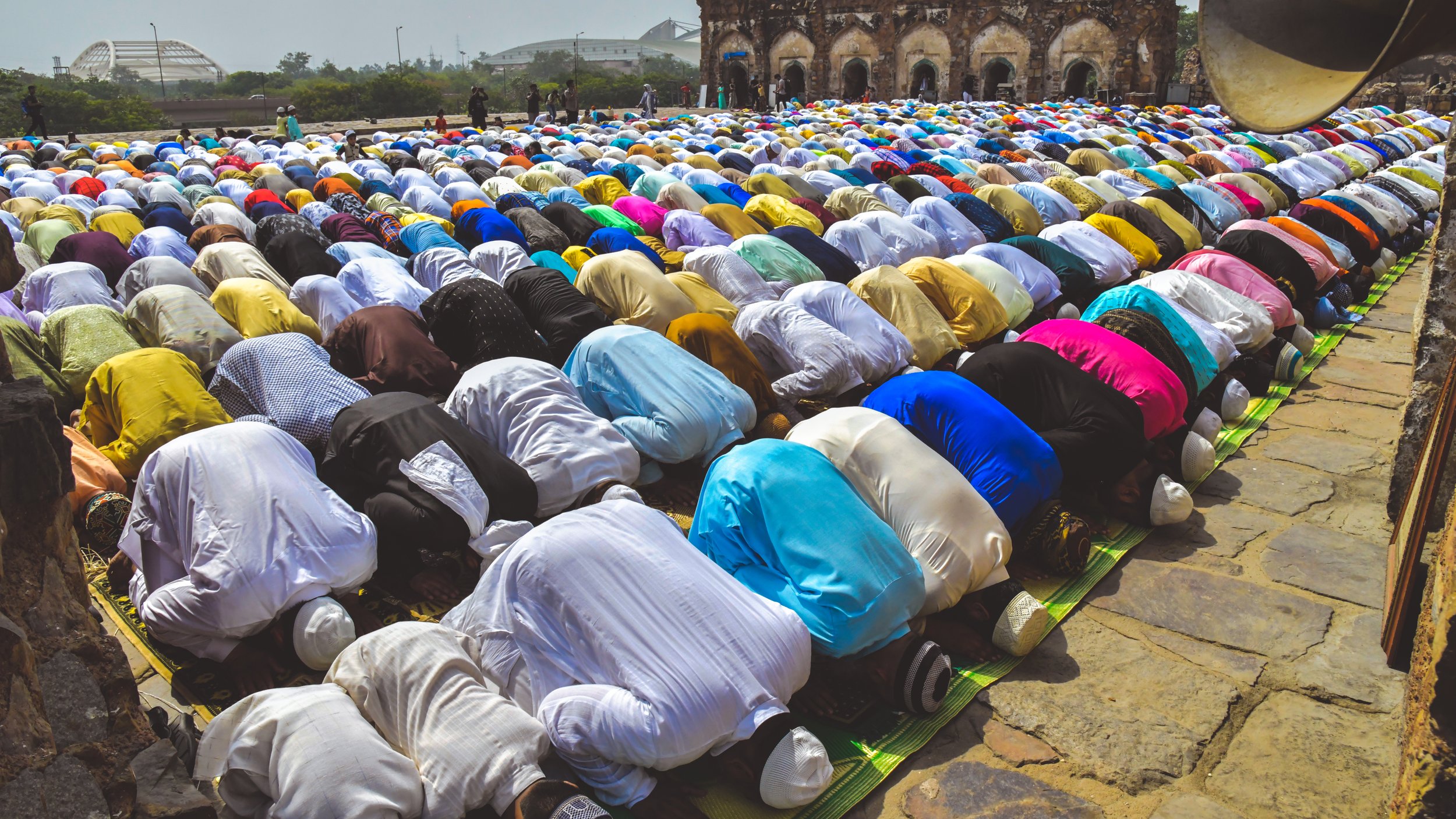
Know that ritual prayer comprises a pillar of Islam. It is the religion's foundation and the preeminent form of worship. Those who perform the five obligatory ritual prayers, in the prescribed mode and within the specified times, shall obtain the divine pledge of safety and protection.
Moreover, whosoever desists from committing significant acts of disobedience (al-kaba’ir), the ritual prayers will serve as an expiation (kaffarah) from their lesser acts of wrongdoing.

O beloved! Know that recitation of the Holy Qurʾān counts among most excellent of worships, in particular when undertaken during the ritual prayer in the standing position (qiyām).
The Prophet ﷺ said,
‘The most excellent worship before me is recitation of the Qurʾān.’
Moreover, He ﷺ said,
‘Those who are esteemed with recitation of the Qurʾān yet appraise that others have been granted a superior prize, have come to depreciate that which the Lord ﷻ has honoured.’

It will be no surprise to hear that the Prophet’s response to moments of extreme difficulty was to turn to Allah. The manner and extent to which he ﷺ confided in Him, however, is truly Prophetic. The Prophet ﷺ abandoned every facet of his world and turned to his Friend. He ﷺ did not ask with hope, but rather with absolute certainty, that his Lord – his Rabb – was the solution.
The Prophet ﷺ had a two-step process when encountering hardship:
Turn to Allah in prayer and confide in Him
Seek counsel from his trusted confidants
The order of his process, however, never changed. A person’s immediate response to an event is quite telling of their mindset and understanding, and the Prophet ﷺ always – without exception – turned to the Creator in prayer before consulting His creation.



ON PILGRIMAGE (HAJJ)
O beloved!
Know that the pilgrimage comprises one of the core foundations of Islam and counts as the worship of a lifetime.
The Prophet ﷺ announced,
Besides, the Prophet ﷺ said: